AIStudy: How Artificial Intelligence Is Revolutionizing Learning and Education


6
AIStudy: How Artificial Intelligence Is Revolutionizing Learning and Education
Introduction
Education is undergoing a remarkable transformation, and artificial intelligence is at the center of this change. From personalized learning experiences to intelligent tutoring systems, AI is helping students learn more effectively and educators teach more efficiently. AIStudy explores the growing role of artificial intelligence in modern education and how it is shaping the future of learning for students around the world.
Personalized Learning for Every Student
One of the greatest advantages of AI in education is its ability to personalize learning experiences. Traditional classrooms often follow a standardized approach, but AI-powered platforms can adapt lessons according to a student’s strengths, weaknesses, and learning pace. This personalized approach helps students stay engaged and achieve better academic outcomes.
Intelligent Tutoring Systems
AI-powered tutoring systems provide learners with immediate feedback and guidance. These systems can answer questions, explain difficult concepts, and recommend additional learning materials based on individual performance. By offering support outside traditional classroom hours, intelligent tutors make education more accessible and convenient for students of all ages.


7
Enhancing Teacher Productivity
Artificial intelligence is not only benefiting students but also helping educators manage their workloads more effectively. AI tools can automate grading, track student progress, generate reports, and identify areas where learners may need additional support. This allows teachers to spend more time focusing on meaningful interactions and instructional quality.
Expanding Access to Education
Technology powered by AI is helping bridge educational gaps across different regions and communities. Online learning platforms equipped with intelligent features enable students to access high-quality educational resources regardless of their location. Language translation, accessibility tools, and adaptive learning technologies make education more inclusive and widely available.
Developing Future-Ready Skills
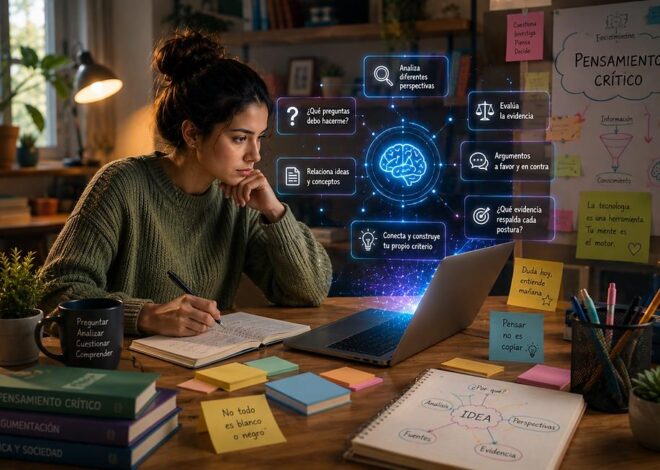
As artificial intelligence becomes increasingly integrated into workplaces, students must develop skills that prepare them for future careers. AIStudy emphasizes the importance of learning critical thinking, problem-solving, creativity, and digital literacy alongside technical knowledge. Understanding AI concepts can help learners thrive in a technology-driven economy.
Challenges in AI-Powered Education
Despite its many advantages, AI in education presents several challenges. Data privacy, ethical use of student information, and ensuring equal access to technology remain important considerations. Educational institutions must carefully implement AI solutions while maintaining transparency, security, and fairness for all learners.
The Future of AIStudy and Learning Innovation
The future of education will likely feature even greater integration of artificial intelligence. Advanced virtual tutors, immersive learning environments, and intelligent educational platforms are expected to enhance the learning experience further. As AI technologies continue to evolve, students and educators will gain access to increasingly powerful tools for knowledge acquisition and skill development.
Conclusion
Artificial intelligence is transforming education by making learning more personalized, accessible, and effective. From intelligent tutoring systems to adaptive learning platforms, AI is helping students achieve their academic goals while supporting educators in delivering high-quality instruction. AIStudy remains dedicated to exploring these innovations and highlighting the opportunities that artificial intelligence brings to the future of education.


6